Last updated 4th June 2025

Coping with Stress

Stress is an imbalance in demands being made and our ability to meet them. The reasons people get stressed vary, for example moving house, losing a loved one, starting a new job, worrying about a deadline… they all can have an effect on us in different ways.

Interestingly enough, stress in itself isn't necessarily harmful. A little bit can actually help motivate you to achieve goals and ambitions. It’s when you’re under too much stress that your health can suffer. Thankfully, there are a number of simple steps you can take to help manage stress and stressful situations. The first step is to recognise the signs of stress.

Adult
Coping with stress

In this article:

How to tell if you're stressed

When we are stressed our bodies respond by releasing hormones (like adrenalin and cortisol) which leads to physical changes such as your heart beating faster, starting to sweat and our muscles tensing up. These usually go away as soon as the stress is removed, but if the stress sticks around (e.g. an ongoing financial problem) it could become chronic and start to affect you in other ways:

Increased irritability– if you’re feeling unusually snappy or angry and you’re not sure why

Heightened sensitivity– are you bursting into tears at the smallest thing or getting overly defensive when criticised?

Difficulty getting to sleep, insomnia or waking early in the morning

Headaches, muscle tension or pain

Difficulty concentrating

Indigestion, upset stomach

If you are experiencing any of these signs on a regular basis you should speak to your doctor for further advice.

What you can do to deal with stress

After you’ve noticed that you’re feeling stressed, it’s important to find out why. Take a close look at the things going on in your life. Are you in a particularly stressful situation at home or work?

If the cause of your stress isn’t immediately obvious, you could try keeping a ‘stress-busting’ notebook. Take it with you wherever you go and record the times you feel stressed and why. Once you know what causes your stress, you can learn to manage it.

Here are some more stress-busting techniques:

  • Try positive self-talk – turn negative thoughts around, instead of saying to yourself ‘I can’t do it’ say ‘I can do it’ or ‘I’m calm and in control’.
  • Exercise regularly – try to get at least 20 minutes of exercise three times a week, because keeping fit and healthy can increase your ability to tolerate stress
  • Practice good time management – set goals, prioritise and plan things you have to do (e.g. write a to-do list), set reminders even delegating tasks to others can all help reduce your stress
  • Make time to relax – learn some breathing or relaxation techniques, for example meditation, yoga, tai chi and pilates are all good ways to help you calm your body and mind.

Support is available for those who may be distressed by phoning:

Lifeline 13 11 14

MensLine 1300 789 978

Kids Helpline 1800 551 800

Beyondblue 1300 224 636

RB-M-06750

First published: 15th February 2021

Last updated: 4th June 2025

Important information

This medicine may not be right for you. Read the label before purchase. Follow the directions for use. Incorrect use could be harmful. If symptoms persist, talk to your health professional.

This article is for general information only and not intended as a substitute for medical advice. All information presented on these web pages is not meant to diagnose or prescribe. In all health-related matters, always consult your health professional.

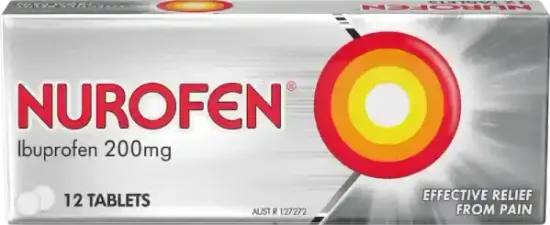
See Nurofen range

Need more advice?