Last updated 4th June 2025

How to Soothe a Teething Baby

Discovering your child’s first tooth is an exciting milestone. But the feeling of achievement can soon be replaced by sleepless nights for the family as your baby goes through teething. However, there are many things you can do to help soothe your child and keep the rest of your household smiling.

Children
soothe teething baby

In this article:

When do babies start teething?

What you should remember is that every baby develops differently. So while most get their first teeth between six and ten months, others may not get theirs until they’re one year old. Children will usually have all their teeth by the time they are about two and a half, however there are exceptions to the rule.

What are the symptoms of teething?

Before their first tooth appears, your child might show these early signs of teething:

  • Flushed cheeks
  • Sensitive red gums
  • Drooling
  • Desire to chew on whatever they can find
  • Crying
  • Refusing to eat
  • Waking up at night distressed

Sometimes you might be able to see your baby’s tooth coming through or you may feel a bump on their gum line. If you’re becoming worried your child is not well, then see your doctor.

Teething pain relief

When trying to bring your little one teething relief, extra cuddles and hugs go a long way. You’ll also find they often love to chew, so give them something firm and to bite on such as a teething ring - or even a chilled and sterilised one from the fridge.

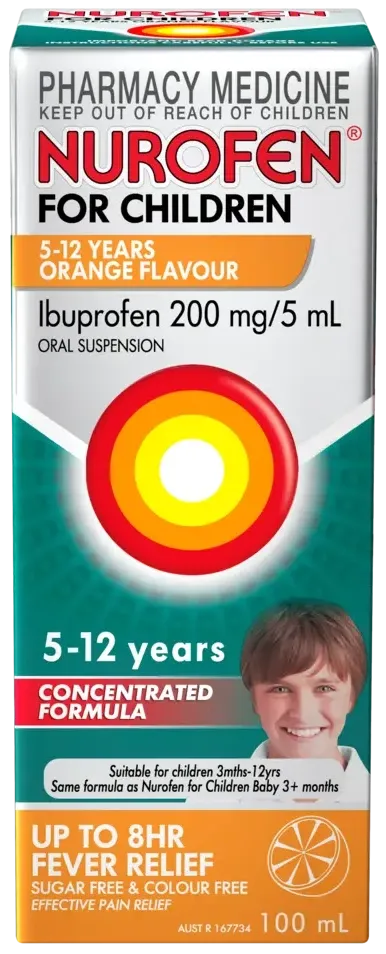
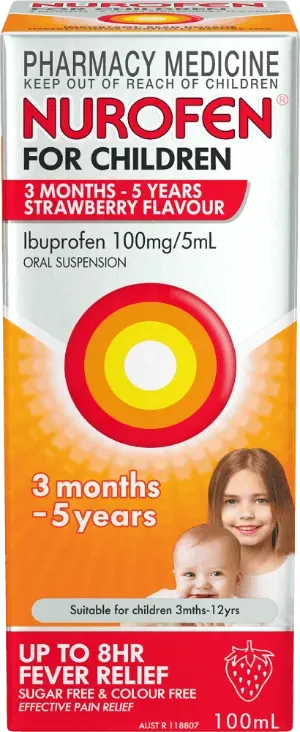
Another thing you’ll find that may work is to lightly massage your baby’s gums with a clean finger. You’ll also want to consider using a sugar-free, colour-free teething gel or a pain-reliever such as Nurofen for Children.

3 tips for a happier household when your child is teething

  • Share night-time soothing duties with your partner
  • If night sleep is disrupted, encourage plenty of naps for the whole family
  • Make sure you take teething rings with you when you’re out and about

It’s never too early to care for your baby’s teeth

Plaque can quickly build up on your baby’s teeth as soon as they have them. That’s why caring for them from the start helps new teeth stay strong and healthy. It’s important to begin brushing your baby’s teeth as soon as they come up. Start with no toothpaste. When your child is 18 months, you can use a small, pea-sized amount of low-strength fluoride toothpaste. Also, avoid sugary drinks or milk after brushing to protect your child from tooth decay.

RB-M-04527

First published: 25th May 2021

Last updated: 4th June 2025

Important Information

This medicine may not be right for you. Read the label before purchase. Follow the directions for use. Incorrect use could be harmful. If symptoms persist, talk to your health professional.

This article is for general information only and not intended as a substitute for medical advice. All information presented on these web pages is not meant to diagnose or prescribe. In all health-related matters, always consult your health professional.

Also for Children

Need more advice?